


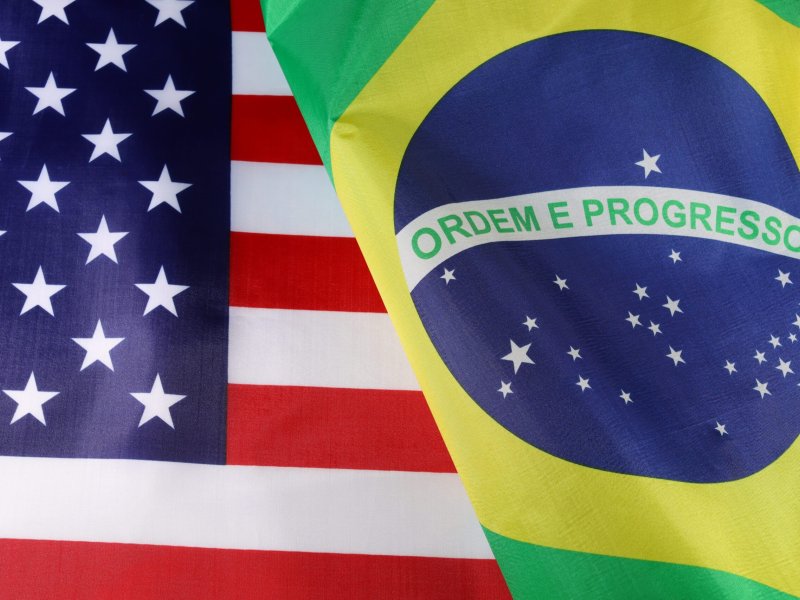
Coffee consumption: USA leads the ranking and Brazil is at the top of production
When talking about coffee, it's natural to think of Brazil. After all, the country is the world's largest producer, with crops spread across various regions and a history intertwined with Brazil's own economic development. However, there's a curious fact that not everyone knows: the United States is the largest coffee consumer on the planet. Brazil has topped the list of coffee-producing countries for over a century. On average, the country produces about 40% of all coffee circulating on the global market. According to data from Conab (National Supply Company), the 2025/26 Brazilian harvest is estimated at approximately 65 million 60-kg bags, combining Arabica and Robusta (also known as Conilon) beans. The climate, the variety of soils, and the experience of producers are factors that help explain this leadership. Furthermore, the sector boasts advanced infrastructure and constant investment in agricultural technology, roasting, and logistics, making Brazil not only a major producer but also one of the most efficient. Even with this volume, it's important to remember that a significant portion of the coffee produced here doesn't stay in the country. Domestic consumption in Brazil is around 22 million bags per year, representing about a third of total production. The remainder is exported, primarily to countries like Germany, Japan, Italy, and, of course, the United States.
Americans' Surprising Thirst for Coffee
While Brazil leads in production, the United States is the champion in consumption, according to the International Coffee Organization (ICO), leading global consumption with over 27 million bags per year. This is a significant number, placing the country ahead of even major European consumers. In the US, coffee is part of the daily routine of nearly 75% of adults, and about 36% of them drink 3 to 5 cups daily, figures confirmed by the National Coffee Association (NCA). There is a strong culture of out-of-home consumption, with coffee shops on practically every corner, famous chains like Starbucks, and a fast-paced routine that combines coffee as daily fuel. Furthermore, the American market is increasingly valuing so-called specialty coffees. A survey by the Specialty Coffee Association of the United States showed that, in 2024, consumption of specialty coffees surpassed traditional coffee for the first time.
Why aren't those who consume the most also those who produce the most?
This is a common question, but it's easy to answer when we look at the global scenario. First, because coffee production depends on specific natural conditions: altitude, climate, and soil, as well as an experienced workforce. Few countries meet all these conditions on a large scale. Brazil is one of them. Consumption, on the other hand, is linked to cultural habits and purchasing power. In the United States, coffee is part of everyday life and is available everywhere—at work, at home, in the car, and at airports. Furthermore, the population's high purchasing power allows for higher consumption, even if the beans must be imported.
The impact of this change on the coffee Market
This relationship between Brazil and the United States is beneficial for both sides, but it also presents challenges. For Brazil, it means maintaining high quality standards, delivery times, and diversifying roast and flavor profiles. For Americans, it means ensuring that the coffee they receive meets the expectations of consumers, who are increasingly demanding and well-informed. Investing in innovation, traceability, and relationships with the end customer has become essential. Brazil has gone beyond being merely a volume producer and has also become a benchmark for quality. This is recognized by American importers and roasters, who consider Brazil their preferred supplier. Ultimately, Brazil and the United States form a powerful partnership in the coffee world. On the one hand, Brazil is the largest producer. While we continue to advance production and invest in technology to deliver an increasingly better product, the United States continues to value and absorb this quality, demonstrating that the coffee market is a commercial transaction, a cultural, economic, and even emotional exchange. And for those who work with coffee, whether on the farm, in roasting, or in export, understanding this dynamic is essential to seizing opportunities and further strengthening the bridge between our bean and their cup.