


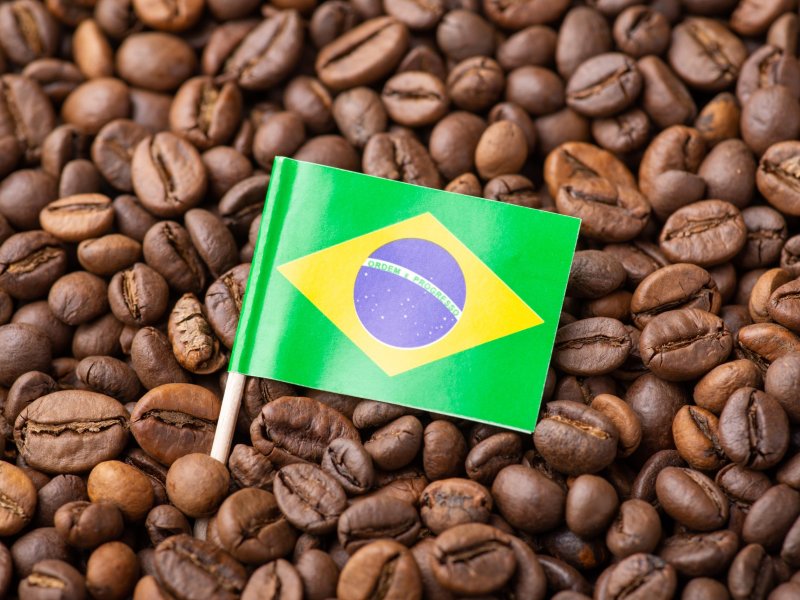
Coffee production: who is the largest producer in the world?
Coffee is one of the most consumed beverages globally, with millions of people enjoying its rich diversity of flavors and aromas. But have you ever stopped to think about where this beloved bean comes from? Coffee is grown in more than 70 countries, mainly in tropical and subtropical regions. Coffee production is a fundamental part of the economy of many countries, generating jobs and boosting international trade. According to the International Coffee Organization (ICO), global coffee production in 2022 was estimated at around 10 million tons. Brazil is undoubtedly the largest coffee producer in the world. With production ranging from 3 to 5 million tons annually, the country accounts for approximately 30% of global production. Brazil not only leads in terms of volume, but also stands out for the quality of its beans, offering a variety of coffees ranging from Arabica to Robusta.
History of coffee in Brazil
The history of coffee in Brazil dates back to the 18th century, when the first seedlings were brought from French Guiana. Coffee cultivation spread rapidly throughout the country, especially in the southeast and south regions, where the climate and soil conditions are ideal for cultivation. During the 19th century, coffee became Brazil's main export product, driving the country's economic growth and urbanization. The main coffee-producing regions in Brazil include:
- Minas Gerais: This state is responsible for about 50% of Brazil's Arabica coffee production. The Zona da Mata, Cerrado and Sul de Minas regions are particularly famous for their high-quality beans.
- São Paulo: The state of São Paulo, especially the Mogiana region, is known for its production of Robusta and Arabica coffee.
- Espírito Santo: This state is the largest producer of Robusta coffee in Brazil, contributing significantly to national production.
- Bahia: Bahia is known for its production of quality Arabica coffee, especially in the Chapada Diamantina and southern Bahia regions.
Brazil's success in coffee production can be attributed to several factors, including its favorable climate. The country has a tropical climate that favors coffee cultivation, with mild temperatures, adequate rainfall and the altitude of the producing regions, ideal for growing the beans. Furthermore, the country produces a wide range of coffee varieties, each with its own unique flavor and aroma characteristics, which allows it to meet different tastes and market demands. Coffee production is important for the Brazilian economy. It generates millions of direct and indirect jobs, from planting to roasting and marketing. Furthermore, coffee is one of the main commodities exported by Brazil, contributing significantly to the country's trade balance.
The future of coffee production in Brazil
The future of coffee production in Brazil looks promising. With the growing interest in specialty and origin coffees, producers are adapting and seeking to improve the quality of their beans. Sustainability is also a growing trend, with many farmers adopting practices that preserve the environment and ensure soil quality. Brazil continues to be the largest coffee producer in the world, with a rich history and a promising future in the production of this beloved beverage. With a combination of favorable climate, innovation and dedication from farmers, the country remains at the forefront, offering a diversity of coffees that please palates around the world. If you are a coffee lover, you can thank Brazil for many cups of delicious coffee in your life.