


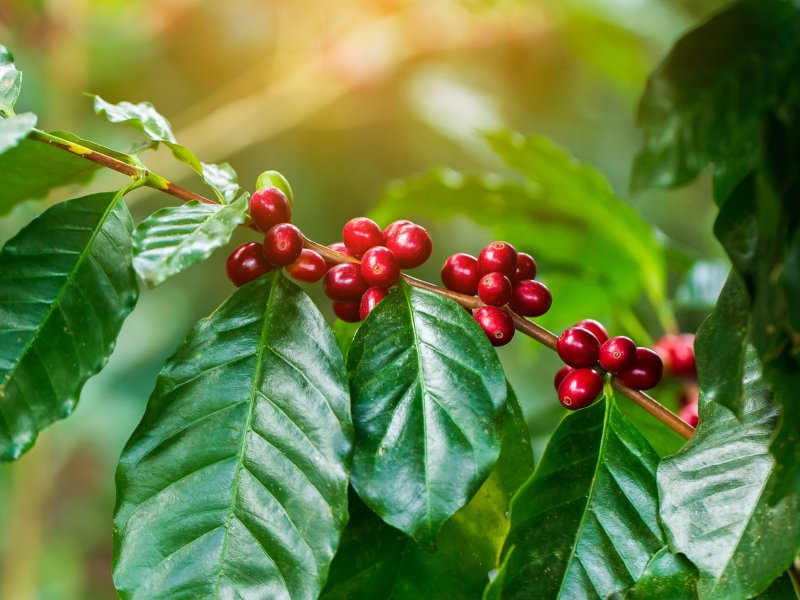
Discover the 3 main coffee pruning methods
Coffee farming is an art that goes far beyond the simple act of harvesting coffee beans. One of the most crucial aspects of ensuring healthy and sustainable production is the proper practice of pruning the coffee tree. There are several pruning techniques, but in this article, we will explore the three main types: Recepa or Zero Harvest, Neckline and Skeletal.
Recepa or Zero Harvest
In this procedure, the coffee plant is cut at a height that varies between 30 and 40 centimeters from the ground. From this cut, a new sprout emerges and, after a period of three to four years, the plant restarts the coffee production cycle. This technique aims to preserve the original genetics of the plant and provides a detailed history of the property through pruning carried out over time. Due to the extensive period it takes for the plant to return to the production cycle, a lot of planning is required on the part of the producer, as it will not be possible to harvest coffee from that specific space.
Cleavage
This is a more moderate practice compared to Recepa. In this method, the highest branches of the plant are cut, removing the upper ends and promoting a more rounded and uniform shape. The main objective is to stimulate lateral growth, creating a more compact plant and facilitating harvesting. Decote is often used on Arabica coffee plantations, where the search for a more equitable distribution of the fruits is essential. Furthermore, this technique helps to improve aeration and sun exposure, crucial factors for healthy fruit development.
Skeleton
In this method, a peculiar practice is adopted to boost the productivity of coffee plantations. Here, all side stems of the coffee stem are meticulously cut, resulting in only the central trunk of the tree being preserved. This pruning technique, known as skeletonizing, aims to optimize the plant's performance. Although this intervention results in a year's pause in coffee production, the benefits that follow are notable. The peculiarity of the coffee germination cycle lies in the stems that connect to the central trunk of the bush. When a fruit sprouts on one of these stems, observation reveals that, in the following year, fruiting expands to new points, never occurring in the same location. This natural process leads to the elongation of the productive stem, making it increasingly challenging for the bush to support the emerging fruits. Thus, skeletonization becomes a necessity. It is common to say that the coffee plant, when going through this practice, "pays what it owes". Furthermore, skeletonization presents a less drastic approach compared to harvesting, being an effective solution for increasing coffee crop productivity. In conclusion, by understanding the fundamentals of these techniques, coffee producers can promote healthy plant growth and successfully reap the fruits of their labor. And you, do you want to know more about coffee production? Continue following our blog and stay up to date with information about this universe.