


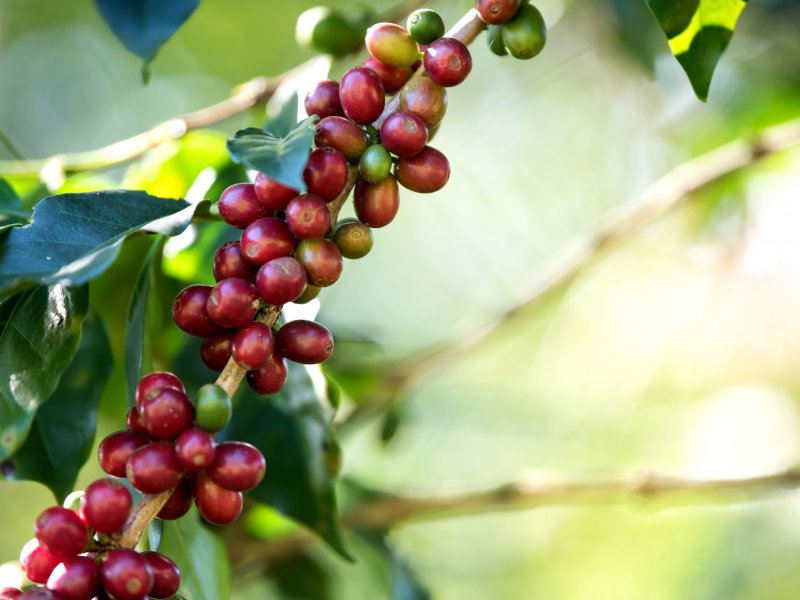
Organic coffee: what's the difference between it and conventional coffee?
Coffee! Just hearing this word, many people can smell that irresistible aroma that accompanies us in the morning or during our breaks during the day. Now, imagine a coffee that, in addition to being delicious, is also produced sustainably and with less impact on the environment. We are talking about organic coffee. But what is different about it? Why is it so talked about? Organic coffee is grown without the use of pesticides, chemical fertilizers or other synthetic products. This means that, from planting to cupping, the entire process follows ecological principles. Instead of using chemicals, producers use natural techniques, such as organic fertilization and biological pest control. This approach goes beyond simply avoiding synthetic products. It also promotes the conservation of soil, water and local biodiversity, ensuring a more balanced and healthy cycle. Caring for the soil is one of the pillars of organic farming. Techniques such as crop rotation and the use of compost help maintain the fertility of the land, creating an environment that is conducive to the development of coffee plants. Additionally, organic farmers often opt for agroforestry systems, which combine coffee cultivation with native trees, increasing biodiversity and promoting sustainability.
Certification and quality assurance
For a coffee to be considered organic, it must undergo rigorous certification processes. In Brazil, the seal is issued by the Ministry of Agriculture, Livestock and Food Supply (MAPA), based on Law No. 10,831/2003. This seal guarantees that the product follows all organic production standards, in addition to guaranteeing that it has been audited by an accredited certifying entity. Therefore, when you see that green "Organic Brazil" seal on the packaging, it means that the product has indeed undergone a rigorous analysis.
The taste of organic coffee
But what about the flavor? Many people who try organic coffee notice a difference. It tends to be richer, with clearer notes and less bitterness. This happens because the soil, which is treated naturally, helps the beans grow in a balanced environment, which is reflected in the final result. It's as if caring for the land results in a "happier" bean and, consequently, a more special cup. Of course, the flavor also depends on other factors, such as the region where the coffee was grown, the roasting process and even the preparation. Therefore, the fact that it is organic is an important point, but it is not the only one responsible for the incredible flavor. In addition, many organic coffee producers value selective harvesting methods, ensuring that only ripe beans are picked, which also increases the quality of the drink.
Cost and investment
Of course, all of this comes at a cost. Organic coffee is generally more expensive than conventional coffee. This is because cultivation requires more manual labor, in addition to the costs of certification. However, for many people, the investment is worth it. If you want to learn more about the world of coffee, keep an eye on our blog. Here, we always bring you rich and informative content. Also explore our roasting solutions and find out how to take your coffee production to the next level.