


What is “Coffee To Go”?
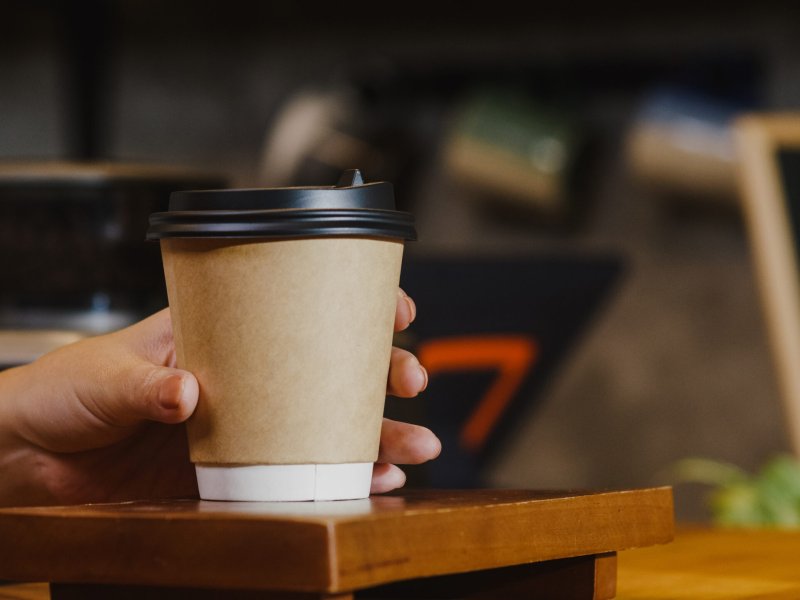
Understand American takeout coffee culture and the growth of specialty coffee in the United States. When we think of the US and coffee, it's almost impossible not to picture that white disposable cup with a lid, just like the one seen in movies and TV shows, or in the hands of someone rushing down the street. This is the famous "coffee to go," or, literally translated, "coffee to go." But what few realize is that this habit goes beyond convenience. Takeout coffee is a direct reflection of the American lifestyle, marked by haste, productivity, and the idea that every minute counts. But in recent years, something interesting has happened: Americans have started paying more attention to the quality of the coffee they drink, even when consumed on the go.
Where did "coffee to go" come from?
The habit of drinking coffee away from home has existed for centuries, but the concept of "coffee to go" began to take shape in the early 20th century. In 1907, American lawyer Lawrence Luellen created the first disposable cups for hygienic drinking. This paved the way for the use of cups for hot beverages, such as coffee. Decades later, in the 1960s, the convenience store chain 7-Eleven began selling coffee in disposable cups with lids for people to take with them. This was when the concept of "coffee to go," as we know it today, truly began to spread. But the big leap forward came in the 1980s, when Starbucks truly popularized coffee consumption away from home with a focus on the consumer experience. The brand transformed coffee into a daily routine for millions of people, and the white cup with the green logo became practically an icon of American culture.
Why do Americans like takeaway coffee so much?
It's important to understand that coffee in the United States is directly linked to the idea of productivity. It's common to find Americans with a cup in hand early in the morning, on their way to work, or in meetings. Often, coffee serves almost as a "companion" to get through the day. Furthermore, the country highly values quick, convenient, and personalized consumption. Therefore, disposable cups with lids were the solution for those who don't want (or can't) stop for a leisurely coffee in a coffee shop. This culture has directly influenced the layout of coffee shops in the country. Many don't even offer seating, because the focus is on service and fast delivery. This doesn't mean that Americans don't like to enjoy their coffee more leisurely, but rather that convenience often matters more in their daily lives.
And where does specialty coffee fit into this story?
For a long time, coffee consumed in the United States was mostly commodity coffee—basic-quality beans sold in large volumes. But this has begun to change with the so-called "third wave of coffee," a movement that values origin, roasting, brewing method, and, of course, bean quality. In recent years, specialty coffee consumption has grown significantly in the US. According to the National Coffee Association, by 2024, 45% of Americans reported having consumed specialty coffee the previous day, a number that has never been higher. This demonstrates a real shift in consumption habits, even in a country where coffee is generally consumed in a hurry. Another interesting fact: a study by Comunicaffe indicated that the specialty coffee market in the United States is expected to reach approximately $81.8 billion by 2030, with average annual growth of almost 10%. Most of this growth comes from younger consumers.
Generation Z is changing the way we drink coffee
The so-called Generation Z, young people born between 1997 and 2012, have preferred more elaborate coffees, with different flavors, beans of known origin, and more careful preparation processes. This doesn't mean they've abandoned "coffee to go," but rather that they've begun to demand higher quality in what they consume. A survey by the analyst firm Investopedia showed that almost 90% of consumers between the ages of 18 and 24 prefer specialty coffee. This is very relevant, especially for roasters and coffee shops that are keeping an eye on the future of the market. Today, many coffee shops in the US have adapted their business models to offer specialty coffee "to go." This means they can enjoy single-origin coffee, freshly ground and brewed using methods like V60 or espresso, without giving up the convenience of a lidded cup.
And in Brazil?
The "coffee to go" habit isn't as strong in Brazil as it is in the United States, but that's changing. With the hustle and bustle of big cities, the rise of street cafes, and the appreciation of specialty coffee here, we're already seeing the emergence of more practical models, such as kiosk-style coffee or even drive-thru options. For Brazilian companies in the sector, such as coffee shops, roasters, and equipment suppliers, this movement represents a great opportunity. It's possible to adapt the American concept, but with our own identity: high-quality coffee, attentive service, and respect for the origin of the beans. "Coffee to go" is part of a culture that values convenience, speed, and productivity. But that doesn't mean the coffee has to be bad or bland. On the contrary, the growth of specialty coffee in the United States shows that it's possible to combine convenience and quality. The trend is for more and more consumers, including in Brazil, to seek out better coffees, even when they're in a hurry. This opens up space for innovation, improved services, and a closer look at everything that involves coffee.