


Specialty Coffee Scoring: What is it and how does it work?
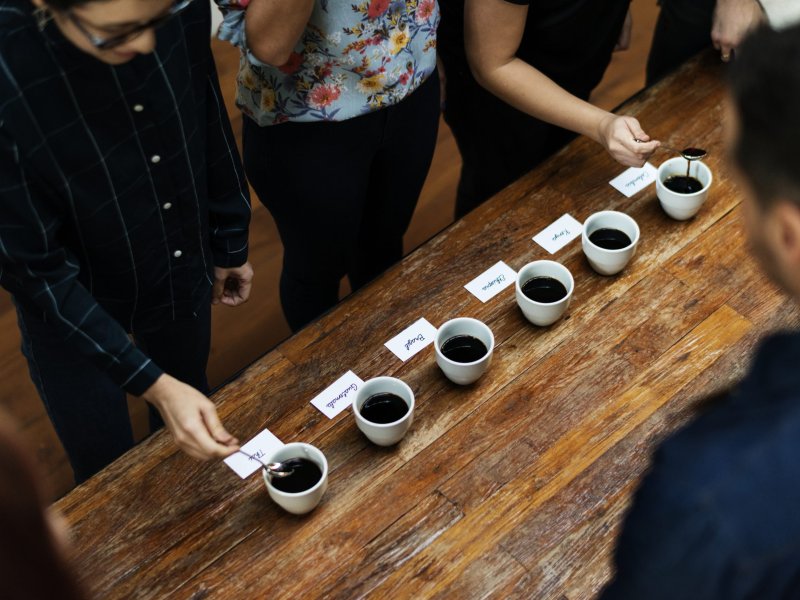
Specialty coffee is the result of a rigorous process involving a chain of producers, farmers and baristas who value quality at every stage. But how do you define what makes a coffee “specialty”? The answer lies in the specialty coffee score, a system that evaluates the quality of the beverage based on specific sensory criteria. This assessment is carried out by trained professionals, known as Q-Graders, who determine the coffee’s score through a cupping process (coffee tasting). But how exactly does this process work and what criteria are taken into consideration?
What is specialty coffee?
Before understanding the scoring, it is important to define what specialty coffee is. The Specialty Coffee Association (SCA), an international organization that sets standards for the specialty coffee industry, establishes that a coffee can only be classified as specialty when it reaches 80 points or more on a scale ranging from 0 to 100. These coffees are grown in ideal climate and soil conditions, hand-picked to ensure the selection of the best beans, and processed using techniques that preserve their unique characteristics. In addition, specialty coffee should not have many defects, such as broken, fermented or contaminated beans with fungi. The focus is on preserving the natural flavor and the particularities that the terroir (region where the coffee is grown) provides.
How is specialty coffee scored?
Scoring specialty coffee is a technical and sensory process that involves analyzing several factors, such as aroma, flavor, body, acidity and finish of the drink. The goal is to identify coffees that have a complex flavor. Aroma: This is one of the first things you notice when evaluating a coffee. It can vary between floral, fruity, chocolatey or woody notes. Specialty coffees are known for their intense and distinctive aromas. During the cupping process, the evaluator smells the ground coffee and the prepared beverage to identify these nuances. Flavor: This is the set of all the taste sensations that the coffee provides, from the first sip to the end. Specialty coffees generally have complex and balanced flavors, which can include notes of fruits, spices and chocolate, for example. Body: This refers to the tactile sensation it leaves in the mouth. Some coffees have a lighter and smoother body, while others are fuller and creamier. This attribute is influenced by the roasting and extraction method of the coffee. Acidity: In a specialty coffee, it is different from that present in citrus fruits, and is a positive attribute. It brings freshness and vivacity to the flavor, being responsible for balancing the natural sweetness of the beans. Acidity can be described as bright, citrusy or smooth, depending on the origin of the coffee. Finish: The finish, or aftertaste, is the flavor that remains in the mouth after swallowing the coffee. The more pleasant and prolonged the finish, the better the score. A good finish can leave a sweet or fruity flavor, for example.
The Role of Q-Graders
Q-Graders are the professionals responsible for evaluating and assigning scores to specialty coffees. They undergo training and must be recertified every three years to maintain the accuracy of their assessments. During cupping, Q-Graders taste the coffee at different temperature stages to evaluate all the nuances that the bean can offer. They use a standardized table by the SCA, where each sensory attribute is scored separately. The sum of these scores results in the final grade, which ranges from 0 to 100. Only coffees with 80 points or more are considered specialty.
The score and the price
The score of a specialty coffee not only affects the prestige of the product, but also its market value. The higher the score, the higher the price of the coffee. This is because specialty coffees are produced on a smaller scale, require greater care at each stage of the process, and provide a superior flavor experience. In addition, consumers are increasingly willing to pay a premium price for a coffee that offers quality, flavor complexity, and sustainability. Farms that produce specialty coffees often follow sustainable and ethical agricultural practices, which also adds value to the final product.
SIATEC Brazil Equipment
The score reflects the quality of a product that has undergone a series of careful processes, from cultivation to the cup. For coffee lovers, this classification is what guarantees a rich and varied sensory experience. And for producers, it is recognition of the effort made to produce something truly special. If you want to improve the quality of your specialty coffee roasting, SIATEC Brasil has the right technology for you. The equipment provides precision and total control during the roasting process. And if you like blends or single-origin coffees, the machines ensure that each bean is treated with care, preserving its unique characteristics. With SIATEC Brasil, you achieve the perfect roast, enhancing the complexity and flavors that make specialty coffee an incredible experience.